


22 May What the Latest Federal Budget Means for Australia’s Construction Industry
Australia’s latest Federal Budget has landed, and for the construction industry, the message is clear: there are opportunities ahead, but delivery will depend on whether the sector can access the labour, skills and materials needed to meet demand. For builders, civil contractors, developers, subcontractors and labour hire partners, the Budget points to continued activity across housing, infrastructure and enabling works. At the same time, ongoing pressure around workforce shortages, project costs and approval timelines will remain front of mind.
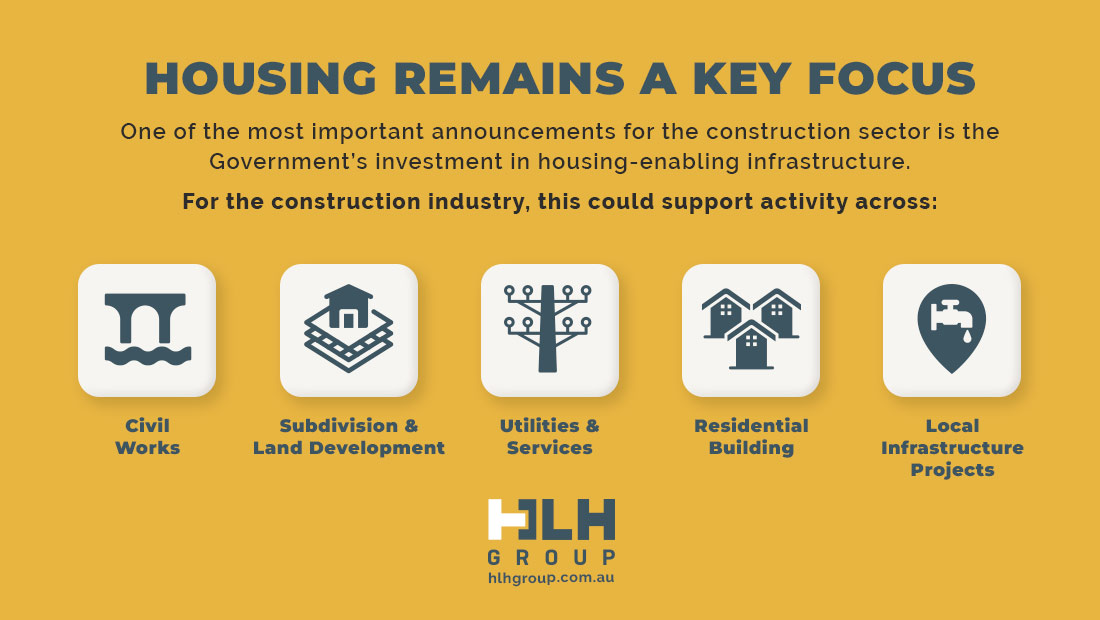
Housing Remains a Key Focus
One of the most important announcements for the construction sector is the Government’s investment in housing-enabling infrastructure. The Budget includes funding aimed at helping councils, utilities and state governments deliver the “last-mile” infrastructure needed to unlock new homes. This includes the roads, water, sewerage, power and community infrastructure that often need to be in place before residential developments can move forward.
For the construction industry, this could support activity across:
- civil works
- subdivision and land development
- utilities and services
- residential building
- local infrastructure projects
The intention is to help move more housing projects from planning into delivery. For contractors and labour hire providers, that could mean increased demand for skilled workers across both residential and civil construction.
Infrastructure Spending Supports the Civil Pipeline
The Budget also includes significant investment in road, rail and transport infrastructure over the coming years. Major infrastructure funding provides an important signal for the civil construction sector. These projects often require large, flexible workforces across multiple stages, from early works and earthmoving through to structures, services, finishing and maintenance.
For businesses operating in construction labour hire, infrastructure investment is particularly relevant because major projects typically create demand for a broad mix of roles, including:
- plant operators
- civil labourers
- traffic controllers
- concreters
- formworkers
- electricians
- supervisors
- machine operators
- general labourers
The challenge, as always, will be timing. Announced funding does not always translate into immediate work on site. Contractors will need to watch project approvals, tenders and state-level delivery schedules closely.
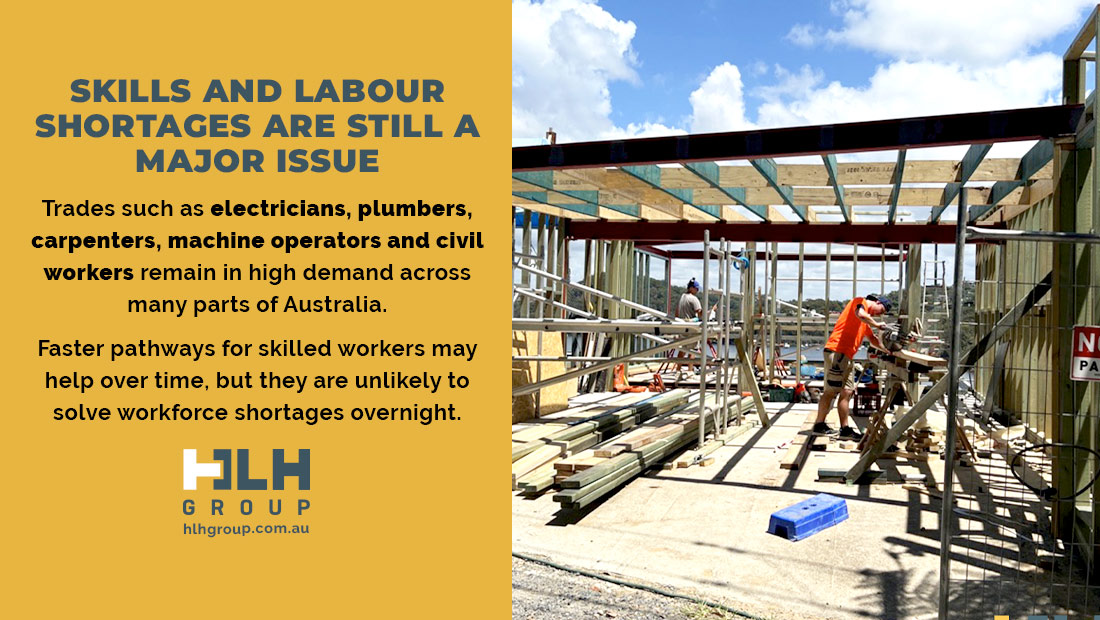
Skills and Labour Shortages are Still a Major Issue
While the Budget includes measures to improve recognition of migrant trade skills, the construction industry is still facing a shortage of skilled construction workers in Sydney. Trades such as electricians, plumbers, carpenters, machine operators and civil workers remain in high demand across many parts of Australia. Faster pathways for skilled workers may help over time, but they are unlikely to solve workforce shortages overnight.
For employers, this means workforce planning remains critical. Companies that can secure reliable labour early, maintain strong compliance standards and scale their teams quickly will be better positioned to take advantage of new project opportunities.
Small Businesses May Benefit from Asset Write-off Support
The permanent $20,000 instant asset write-off for eligible small businesses is another useful measure for the construction sector. Many smaller builders, subcontractors and trades businesses rely on regular investment in tools, equipment, vehicles and technology. Being able to write off eligible purchases can support cash flow and make it easier for businesses to keep their operations moving.
For smaller operators, this may help with practical upgrades such as tools, site equipment, safety gear, work vehicles or digital systems.
Short-term Fuel Relief May Ease Cost Pressure
Fuel costs continue to affect construction businesses, especially those involved in transport, plant operation, deliveries and regional works. The Budget includes temporary fuel excise relief, which may provide short-term cost support for contractors and suppliers. However, because this relief is temporary, businesses should be careful not to treat it as a long-term reduction in operating costs. Cost control will remain important, particularly for contractors working on fixed-price projects or managing tight margins.
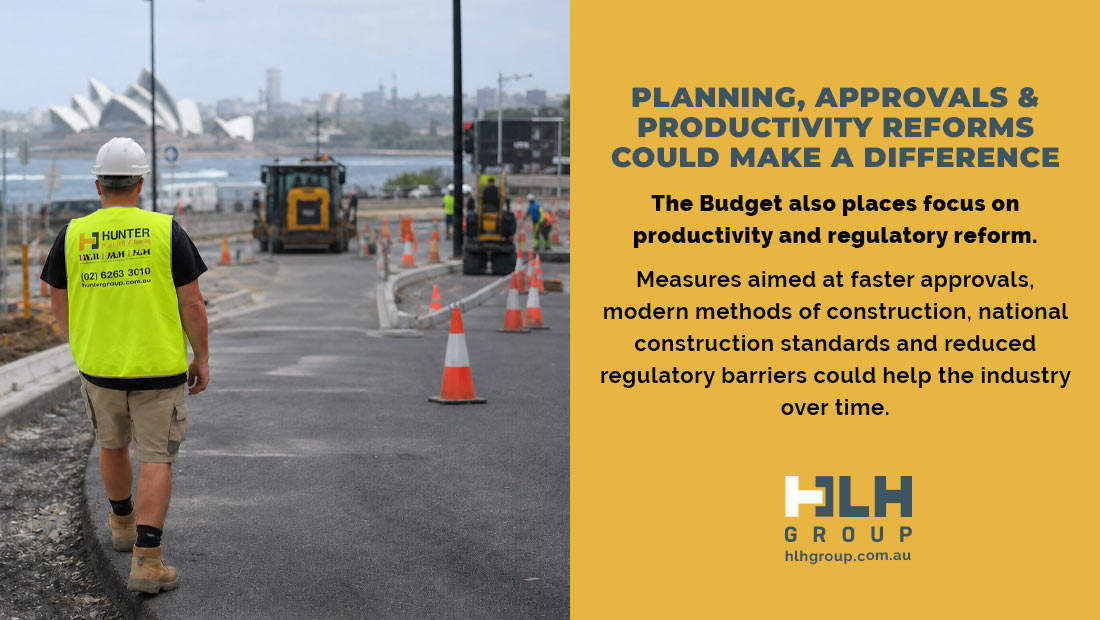
Planning, Approvals and Productivity Reforms Could Make a Difference
Beyond direct funding, the Budget also places focus on productivity and regulatory reform. Measures aimed at faster approvals, modern methods of construction, national construction standards and reduced regulatory barriers could help the industry over time. If implemented effectively, these reforms may reduce delays and make it easier to deliver projects.
However, construction businesses will want to see how these commitments translate into action at state and local levels. For many projects, the biggest delays are still caused by planning bottlenecks, infrastructure constraints and approval processes.
What Does This Mean for HLH Group Clients and Candidates?
For employers, the Budget suggests that demand for construction labour is likely to remain strong, particularly in civil infrastructure, housing-enabling works, utilities and residential development. That means businesses should be thinking early about workforce needs, especially where projects require skilled, ticketed or experienced workers.
For candidates, the outlook is encouraging. Workers with civil construction experience, trade skills, plant tickets, safety qualifications and a strong site record are likely to remain in demand as new projects move through the pipeline.

Final Thoughts on the Australian Federal Budget
The latest Federal Budget provides a positive signal for Australia’s construction industry, especially across housing and infrastructure. But funding alone will not deliver projects. The sector’s ability to respond will depend on workforce availability, project readiness, approvals, supply chains and cost management.
For construction businesses, now is the time to plan ahead, secure reliable labour and prepare for upcoming opportunities. For workers, it is a good time to keep tickets current, build experience and stay connected with employers who understand the market. At HLH Group, we will continue to support construction businesses and candidates as the industry responds to the next wave of project demand.



No Comments